by Veil Walker Paranormal
Parks & Recreation movement
Cemeteries were once spaces of life, not just markers of death — places where people walked, sat, and remembered. Over time, fear and religious doctrine transformed our relationship with the dead into one of avoidance and silence. But our hearts often rebel: when someone we love dies, we instinctively reach out, even across the unseen.
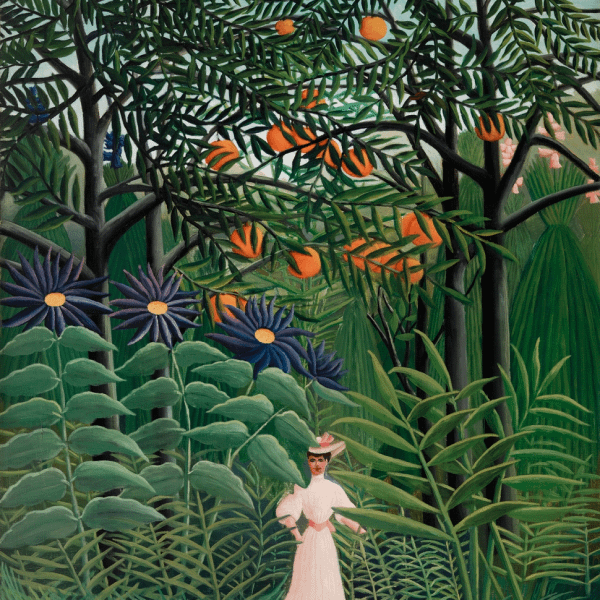
In 1831, Mount Auburn Cemetery opened as the first ‘rural cemetery,’ designed to function like a park — a place for public reflection, leisure, and memorial. By 1865, more than 70 landscaped cemeteries across America followed this model, creating green sanctuaries that united nature, art, and remembrance. These cemeteries embodied a deeper belief: that death isn’t the end of story — it’s part of a continuum. People came not just to mourn, but to remember and reflect.
Spiritualism and the Revival of Talking to the Dead
In the mid-19th century, Spiritualism emerged in the U.S. and Europe — a movement rooted in the belief that departed souls can interact with the living. The Fox sisters of Hydesville, New York, popularized the idea through séances, offering comfort to grieving families and challenging traditional religious taboos. Spiritualism reminded the world that communication between the living and the dead could coexist with faith, not oppose it.
Misalignment — Fear Masquerading as Reverence
When people say, ‘You shouldn’t talk to the dead,’ they often echo inherited fear rather than understanding. Yet when grief strikes, those same people whisper to their loved ones, light candles, and pray for signs. That is communication — just cloaked in softer language. Religions have long held contradictory stances: forbidding necromancy, yet encouraging communion with saints and ancestors. The real divide lies not in morality, but in how we frame the sacred act of remembrance.
Why Connection Matters – Even After Death
Across every culture, speaking to the dead has always been part of human experience. Anthropologists note that early societies viewed ancestor communication as essential for healing, guidance, and continuity. Modern studies show that sensing the presence of loved ones after death is deeply tied to emotional processing and faith. At Veil Walker Paranormal, we walk among the dead not to disturb, but to listen — to honor their memory and keep their stories alive.
Conclusion: When Silence Is Not Respect
When someone we love dies, most of us reach out — through prayer, through tears, through whispers into the quiet. That instinct isn’t blasphemy. It’s love. Faith should never make us fear the dead. It should remind us that love doesn’t die. Walking among the dead doesn’t desecrate. It resurrects memory and restores communion.
Before cemeteries became off limits, they were sanctuaries for the living: places of faith, peace and remembrance. It’s time to rediscover what it really means to walk among the dead.